What is the best time to buy a house in Palo Alto?
The least competitive window in Palo Alto is typically mid-November through mid-January, when serious inventory still trades but the buyer pool thins. Spring brings the most homes — and the most competition. In a chronically low-inventory market, though, the right home matters more than the right month: a well-prepared buyer who can move decisively in any season beats a seasonal strategy every time. Preparation is the real timing advantage.
What salary do you need to buy a home in Palo Alto in 2026?
As a working rule, buying a median Palo Alto home — roughly $4M in 2026 — takes around $900K–$1.1M in annual household income with 20–25% down at current rates, or a larger down payment funded by equity compensation, which is how most Palo Alto purchases actually happen. The more useful question is cash-to-close and monthly carrying cost against your real compensation structure (salary, RSUs, vesting schedule) — which is exactly what we model in a buyer consultation.
Who is Under the Lemon Tree Group?
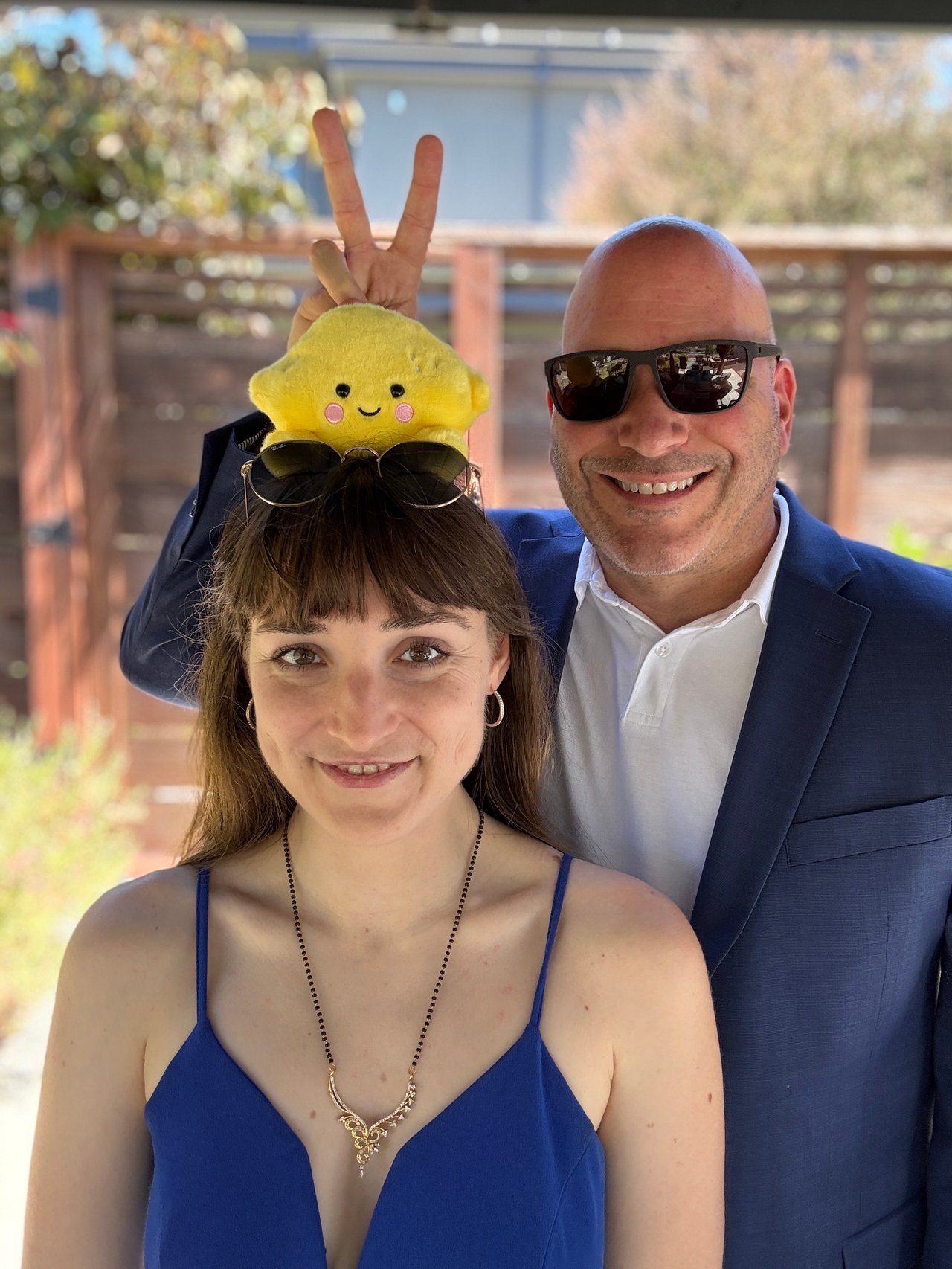
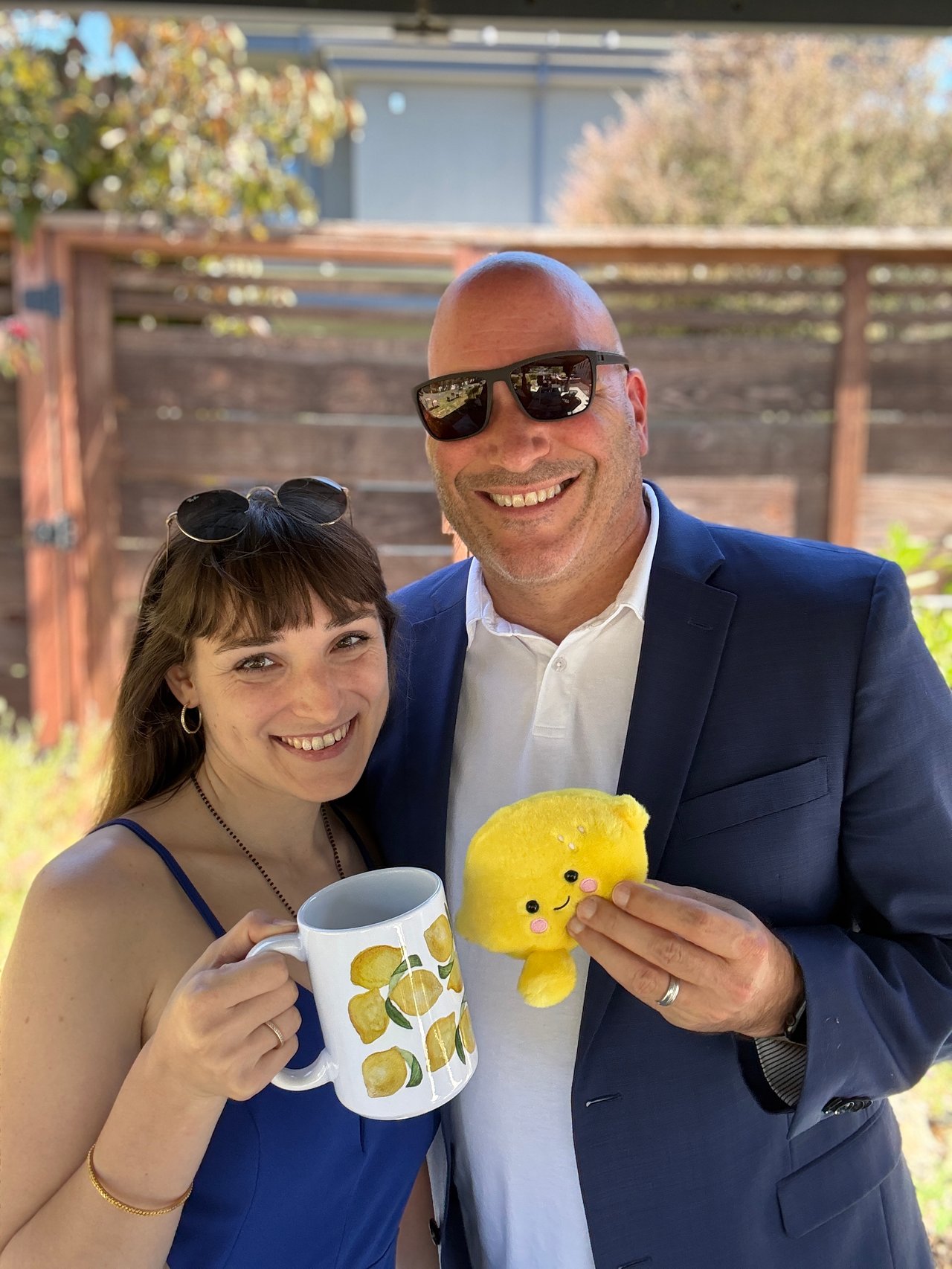
Under the Lemon Tree Group is a luxury real estate advisory in Silicon Valley, powered by SERHANT. and led by Ana Mernik Bohra (DRE #02161456), a Carnegie Mellon-trained architect, and David Lucas (DRE #02114304), an advertising-trained tech-CEO strategist. The team serves buyers, sellers, and investors in Palo Alto, Los Altos, Los Altos Hills, Menlo Park, Atherton, Mountain View, and Sunnyvale, with a client promise of Seen. Protected. Empowered.
How does a tech IPO affect Silicon Valley real estate prices?
The real estate wave from a tech IPO doesn’t hit at the opening bell — it arrives about six months later, when employee lockup periods expire and equity becomes cash. Historically, neighborhoods nearest the company’s campus and its commute corridors absorb the demand first. After Airbnb’s IPO, Los Altos prices rose sharply within 18 months; the pattern has repeated across Palantir, DoorDash, and others. We track the 2026 IPO pipeline — and its lockup calendar — for exactly this reason.
Palo Alto vs Los Altos: which one is right for you?
Choose Palo Alto for walkable downtowns, Stanford proximity, and urban energy; choose Los Altos for larger lots, a quieter village pace, and one of the strongest luxury trajectories on the Peninsula — Los Altos homes sold roughly 7% over asking in early 2026, ahead of Palo Alto’s 4%. Families torn between them are usually really choosing between two daily rhythms, not two price points. We help clients test both before they commit.
Do I need a buyer’s agent in California in 2026?
Legally, no — practically, in Silicon Valley, yes. Since the 2024 commission changes, buyers sign a representation agreement and should expect real value for it: disclosure-package review, overbid data, offer calibration, and — critically — the listing-agent relationships that decide multiple-offer situations. In this market, the best home is rarely won by the highest offer. It is won by the most prepared buyer, and preparation is what representation buys.
How do I find off-market homes in Palo Alto and Los Altos?
Off-market homes trade through listing-agent relationships, not portals — a small number of agents control most quiet inventory in each Peninsula neighborhood, and access depends on who they trust with their sellers. We actively cultivate that network in both directions: sourcing private opportunities for buyers and quiet exposure for sellers who don’t want a public launch. If private access matters to you, start with our Private Clients page.
How do I win a bidding war in Silicon Valley without overpaying?
You win with preparation, calibration, and certainty — not just price. That means a fully underwritten pre-approval, disclosure review completed before offers are due, a number set by real overbid data for that city and price band (our Bid Over Ask Analysis™), and terms a listing agent can trust. Sellers routinely take a cleaner, more certain offer over a higher, riskier one. And sometimes winning means walking: winning the wrong house is still losing.
Why didn’t my home sell — and what should I do now?
When a Silicon Valley Peninsula home doesn’t sell, the cause is almost always one of three things: price positioning, presentation, or launch execution. All three are fixable — but a simple price cut usually isn’t the fix, because it signals distress rather than news. A strategic relaunch — re-diagnosing the position, correcting the presentation, and re-entering the market with a story — consistently outperforms a reduction. We offer a no-obligation relaunch diagnosis for expired and withdrawn listings.
What does Vaastu Shastra mean when buying a home — and does it affect resale in Silicon Valley?
Vaastu Shastra is the classical Indian science of orientation and placement — entry direction, room zones, kitchen position, and energy flow — and for a significant share of Peninsula buyers it is a genuine purchase criterion, which means it genuinely affects demand and resale for compliant homes. Under the Lemon Tree offers Silicon Valley’s only architect-led Vaastu advisory, led by Carnegie Mellon-trained architect Ana Mernik Bohra, including a Bay Area compliance percentile for any home you’re considering.
Is Los Altos Hills right for a family with young children?
Yes — if your family wants space, privacy, and land (one-acre minimums, no sidewalks, no commercial zoning) and you’re comfortable driving for daily life. Families who thrive in Los Altos Hills treat the seclusion as the point; families who struggle usually wanted a walkable downtown and discovered it too late. It’s also where buyers who could afford Atherton sometimes deliberately choose to go instead. The honest tradeoff conversation is the one to have before you tour, not after.
What does $5M buy on the Silicon Valley Peninsula right now?
Five million dollars buys dramatically different homes city by city: an updated but modest family home in Palo Alto, a larger renovated home in Los Altos or Menlo Park, land and privacy in Los Altos Hills — and in Atherton, often just the lot. That spread is the single best argument for choosing your city before your house. We maintain a city-by-city “What $5M Buys” comparison, updated quarterly.
How much does it cost to sell a home in Silicon Valley?
Plan for roughly 6–8% of the sale price all-in: commissions (now negotiable on both sides), transfer taxes, title and escrow, and — the piece most sellers underestimate — presentation. The prep budget is the highest-leverage line item: spent correctly, it returns multiples at closing; spent wrong, it disappears into the walls. Our Prep Equation tells you exactly what to spend, in what order, and what each dollar returns.
How should I choose a real estate agent in Palo Alto or Los Altos?
Ask three things: What is your specific strategy system — not philosophy, system — for winning offers or launching listings? Will you ever tell me not to do the deal? And what happens after closing? An agent with real answers to all three is rare. Ours: the Home Confidence Engine™ and Position Engine™; yes, and we can show you receipts; and a relationship that begins — not ends — at the closing table.